How to Tell if Your Chimney Needs Cleaning Before Winter
As Durham temperatures drop and we approach fireplace season, one of the most common questions we get is: "How do I know if my chimney needs cleaning?" After inspecting and sweeping hundreds of chimneys across the Triangle — from historic homes near Duke University to newer builds in South Square — we've learned there are clear warning signs homeowners can spot before calling a professional.
Why Pre-Winter Cleaning Matters in North Carolina
Even though our winters are milder than up north, Durham homeowners still use their fireplaces regularly from November through February. When you burn wood, incomplete combustion creates creosote — a black, tar-like substance that builds up inside your chimney flue. Creosote is highly flammable, and when it accumulates, it can ignite and cause a chimney fire.
The National Fire Protection Association (NFPA) recommends an annual chimney inspection and cleaning if needed. Here's what to look for.
7 Warning Signs Your Chimney Needs Cleaning
-
It's Been Over a Year Since Your Last Sweep - Even if you only burn occasionally, creosote builds up from each use. If you can't remember when you last had it cleaned, it's time.
-
You See Soot Falling Into Your Fireplace - Black flakes or powdery residue in your firebox? That's creosote shedding from the flue walls — a clear sign of buildup.
-
Fires Are Hard to Start or Produce Lots of Smoke - Poor draft can mean creosote is restricting airflow. If smoke billows into your room instead of going up the chimney, get it checked.
-
You Notice a Strong, Smoky Odor - Especially in humid summer months, creosote deposits can produce a sharp, smoky smell that wafts into your living space.
-
You Can See Shiny or Tar-Like Coating - Stage 3 creosote (glazed creosote) looks like black tar or shiny coating inside the flue. This is the most dangerous type and requires professional removal.
-
Animals Have Nested in Your Chimney - Birds, squirrels, and raccoons love unused chimneys. Their nests block airflow and create serious hazards. If you hear chirping or scratching, call us immediately.
-
You Just Moved Into a New Home - Never assume the previous owners maintained the chimney. Always get an inspection before your first fire in a new home.
What Happens During a Professional Cleaning
When you call us for a chimney sweep, here's what we do:
- Inspect the firebox, damper, smoke shelf, and flue liner
- Use rotary brushes to scrub the entire flue from bottom to top
- Remove all creosote, soot, and debris with HEPA-filtered vacuums
- Clean the smoke shelf and damper (common debris traps)
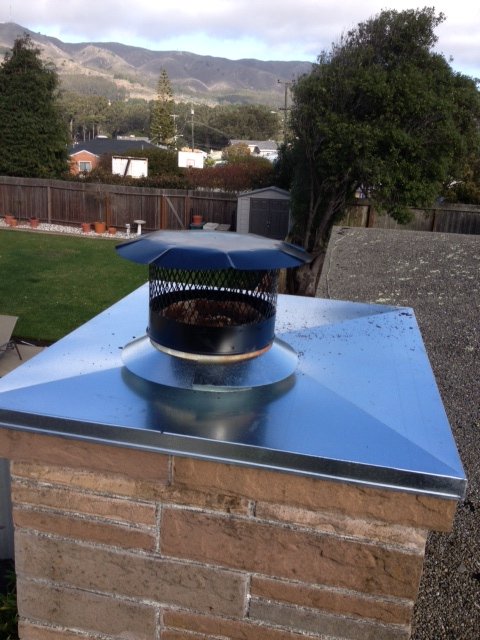
- Check the chimney cap and crown for damage
- Use drop cloths to protect your fireplace area — we keep it mess-free
Most sweeps take 45–90 minutes depending on buildup level.
Durham-Specific Considerations
Our area has unique factors that affect chimney maintenance:
- Older Homes: Many Durham neighborhoods (Trinity Park, Morehead Hill, Old West Durham) have homes from the 1920s–60s with original masonry chimneys that need extra attention.
- Humidity: North Carolina's humidity can accelerate creosote buildup and promote mold growth in unused flues.
- Mild Winters: Because our winters are shorter, some homeowners skip annual cleanings — but that's when problems develop.
When to Call Us
If you notice any of the warning signs above, or if it's simply been over a year since your last cleaning, give us a call. We serve Durham, Cary, Morrisville, Chapel Hill, and the surrounding Triangle area.
Our promise: We'll inspect first, explain what we find in plain terms, and give you a clear price before any work starts. If your chimney looks fine, we'll tell you. If it needs attention, we'll explain why and what happens if you wait.
Need Professional Help in Durham?
Our local team is here to help with all your chimney, air duct, and dryer vent needs.