How Often Should You Get Your Chimney Swept in North Carolina?
If you own a home with a fireplace in North Carolina, you've probably wondered: "How often does my chimney really need to be cleaned?" The short answer, according to the National Fire Protection Association (NFPA) Standard 211, is that chimneys, fireplaces, and vents should be inspected at least once per year and cleaned as needed.
But in North Carolina — and especially in older Triangle-area neighborhoods — that annual recommendation isn't just a formality. Our climate, housing stock, and lifestyle patterns all make regular chimney maintenance more important than many homeowners realize.
The NFPA 211 Standard Explained
NFPA 211 is the national safety standard for chimneys, fireplaces, vents, and solid fuel-burning appliances. It's not a suggestion — it's the baseline that fire departments, insurance companies, and home inspectors reference when evaluating chimney safety.
The standard calls for:
- Annual inspection of all chimneys and vents, regardless of how often you use them
- Sweeping as needed based on what the inspection finds
- More frequent cleaning for chimneys used heavily (more than once per week during heating season)
Even if you only light a fire a few times each winter, creosote — the flammable byproduct of wood combustion — accumulates with every burn. An annual inspection catches that buildup before it becomes dangerous.
Why North Carolina's Humidity Makes Annual Sweeps Critical
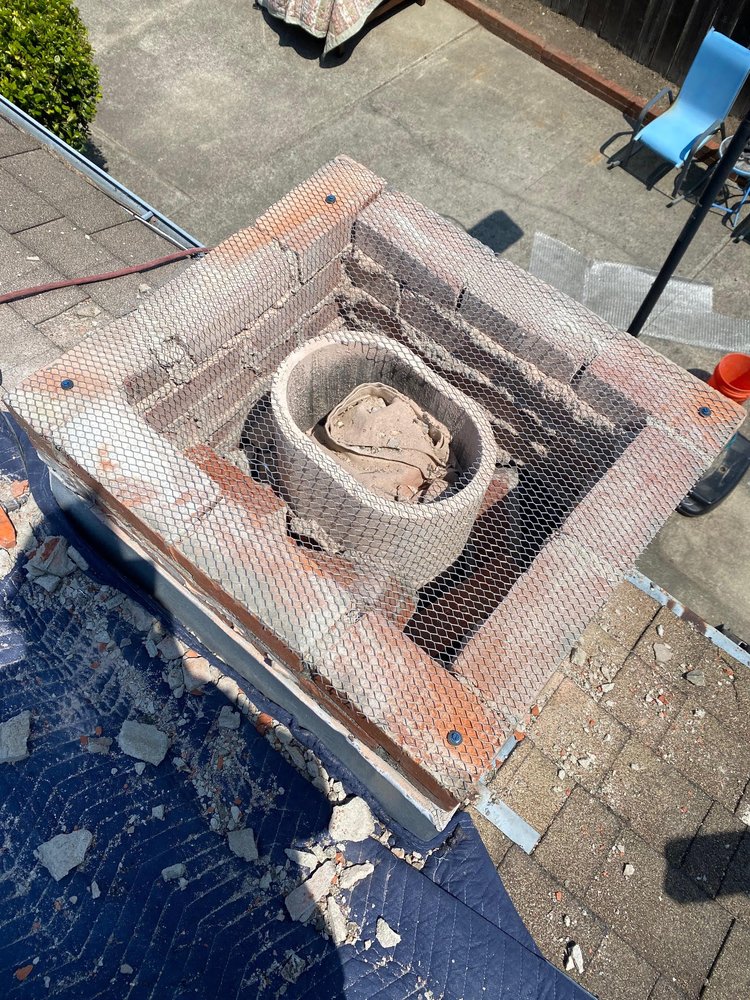
Here's something many homeowners don't consider: North Carolina's humid climate actively accelerates chimney deterioration. When warm, moist air from your home meets the cooler surfaces inside your chimney, condensation forms. That moisture mixes with creosote and soot, creating an acidic environment that eats away at clay tile liners and mortar joints over time.
This is a particular concern in older homes across Durham and Chapel Hill. Many homes in neighborhoods like Trinity Park, Old West Durham, and the Gimghoul district near UNC were built in the 1920s through 1960s with original masonry chimneys. These chimneys often have clay tile flue liners that are decades old — and decades of humidity have taken their toll.
In newer construction, the issue is different but equally important. Prefabricated metal chimneys, common in homes built from the 1990s onward in areas like Brier Creek and Cary, can corrode faster in humid environments if moisture gets in through a damaged cap or crown.
What Happens During a Professional Chimney Sweep
When you schedule a chimney sweep, here's what actually happens:
- Visual inspection of the firebox, damper, smoke shelf, and flue liner
- Rotary brush cleaning from the firebox to the top of the flue, scrubbing creosote and soot from the flue walls
- HEPA vacuum containment to ensure no soot or debris enters your living space
- Smoke shelf and damper cleaning — these are the most common debris traps
- Chimney cap and crown check for cracks, gaps, or animal entry points
- Mess-free cleanup with drop cloths protecting your hearth and floor
Most sweeps take 45 to 90 minutes, depending on the level of creosote buildup and the chimney's configuration.
Signs Your Chimney Needs Cleaning Before Your Annual Check
While we recommend annual inspections for every home, certain signs mean you shouldn't wait:
- Soot or creosote flakes falling into your firebox — this means buildup is already shedding from the flue walls
- A strong, smoky odor — especially noticeable in humid summer months when creosote deposits release volatile compounds
- Smoke entering your living room when you light a fire — this indicates a draft restriction, possibly from creosote buildup
- A black, shiny, or tar-like coating visible inside the flue — this is Stage 3 glazed creosote, the most dangerous type
- Animal sounds or nesting material — birds, squirrels, and raccoons commonly nest in unused chimneys
If you notice any of these signs, contact our Durham chimney sweep team to schedule a cleaning.
The Bottom Line for North Carolina Homeowners
The NFPA 211 annual standard exists because chimney fires are preventable. In North Carolina's humid climate, that annual inspection isn't just about cleaning — it's about catching moisture damage, liner cracks, and structural issues before they become expensive repairs or safety hazards.
If you're in Durham, Chapel Hill, Raleigh, or anywhere in the Triangle, our team is available to help. We serve homeowners across Durham and Chapel Hill with honest inspections and clear pricing.
Our promise: We'll inspect first, explain what we find in plain terms, and give you a clear price before any work starts. If your chimney is fine, we'll tell you. If it needs attention, we'll explain why.
Need Professional Help in Durham?
Our local team is here to help with all your chimney, air duct, and dryer vent needs.